
How Camera Networks and Video Analytics Are Redefining Perimeter Security for K-12 Schools
June 18, 2026

School perimeter security has changed significantly. Where analog CCTV once covered entry points with fixed, low-resolution footage, today’s camera networks deliver high-definition coverage, real-time alerts, and intelligent video analytics that actively support threat detection. For K-12 school administrators and facilities directors across Long Island, New York City, Westchester County, and Rockland County, this shift is not just a technology upgrade. It is a fundamental change in how schools monitor, respond to, and document security events before they reach building interiors.
This post breaks down how modern camera infrastructure works, what video analytics actually do in a school environment, and what administrators should understand before making decisions about perimeter coverage.
What Makes Camera Networks Different from Older Surveillance Systems
IP cameras transmit data over a network rather than through coaxial cable. This distinction matters far more than it sounds. It means cameras can be managed remotely, updated via software, and integrated with other systems like access control, alarm systems, and lockdown platforms through a single interface.
Older analog systems required dedicated recording hardware tied to each camera. -based systems route footage through a Video Management System (VMS) such as Genetec or Milestone, giving administrators centralized visibility across every building, parking lot, athletic field, and perimeter entry point from one screen.
The practical advantage for school districts managing multiple buildings is significant. Rather than checking separate DVR units in each school, district security staff can monitor live feeds and pull recorded footage across the entire portfolio from one location. In Nassau County and Suffolk County districts, where campuses often include elementary, middle, and high school buildings spread across different addresses, this kind of centralized oversight is a meaningful operational gain.
One less-discussed detail: cameras require proper network infrastructure to perform reliably. Bandwidth, switch capacity, and VLAN segmentation all affect performance. Schools that upgrade cameras without addressing network readiness often experience poor video quality, dropped feeds, or storage failures. Any serious perimeter security upgrade should include a network assessment before hardware selection begins — an assessment-first principle that federal and industry guidance, including CISA’s K-12 School Security Guide and the PASS Safety and Security Guidelines, treat as the foundation of an effective security plan.
How Video Analytics Turn Cameras into Active Detection Tools
Standard surveillance records what happens. Video analytics detects what is happening and flags it in real time.
Modern analytics engines embedded in cameras or running through a VMS can identify specific behaviors and objects without requiring staff to watch live feeds continuously. For K-12 perimeter security, the most practically useful analytics include:
Perimeter line crossing detection alerts staff when a person or vehicle crosses a defined virtual boundary, such as a fence line, restricted lot edge, or after-hours zone. This is particularly valuable for districts where athletic fields and parking areas are adjacent to public property and are difficult to monitor manually.
Loitering detection flags individuals who remain stationary in a defined zone longer than a set threshold. Perimeter areas near bus lanes, side entrances, or loading docks are common points where this type of alert adds real value.
Object left or removed detection identifies when a bag, package, or other item is placed in a defined area and left unattended, or when an item that should be present, such as equipment in a locked storage area, is removed.
Gun detection analytics, now available through platforms integrated with video surveillance systems, can identify the visible presence of a firearm in camera view and trigger immediate alerts to administrators and law enforcement. This technology has matured considerably since 2023 and is now deployed in active school environments.
What administrators should know: analytics accuracy depends heavily on camera placement, angle, lighting conditions, and scene calibration. A camera mounted too high or at the wrong angle will produce false positives or miss detections entirely. This is a deployment and configuration issue, not a product limitation. Proper setup requires experienced technicians who understand both the technology and the specific physical environment.
Perimeter Coverage Zones Schools Often Miss
Most perimeter security plans address main entrances and front parking lots well. The gaps tend to appear in secondary and tertiary zones that receive less attention during initial planning.
Bus staging areas are one of the highest-traffic perimeter zones in any K-12 facility. Multiple vehicle arrivals and departures, large numbers of students, and staff movement make these areas complex to monitor. High-resolution cameras with wide-angle coverage combined with license plate recognition can document every vehicle entering and exiting the bus lane, which supports both safety and liability documentation.
Athletic fields and bleacher perimeters are frequently outside the camera footprint of standard school surveillance plans. During after-school hours, evenings, and weekends, these zones can become entry points for unauthorized access to school grounds. Wireless cameras with solar power options make it practical to extend coverage to areas where running cable is not cost-effective.
Side and rear building entries often appear on security drawings but are undercovered in practice. Door ajar monitoring combined with camera coverage at these points creates a layered detection approach. If a side door is propped open and a camera detects movement in that zone, staff can receive a simultaneous alert from both the alarm system and the VMS.
Visitor drop-off zones separate from bus lanes are a common point of uncontrolled perimeter access, particularly in suburban Long Island districts where parent drop-off volumes are high. Camera placement at these zones, integrated with visitor management systems, supports a complete picture of who is arriving and when.
Integrating Cameras with Lockdown and Access Control Systems
Perimeter cameras provide the most value when they are connected to the broader security integration ecosystem rather than operating as a standalone recording system.
When a video analytics alert triggers, the response should not require a staff member to manually check a screen, make a phone call, and then initiate a lockdown. Properly integrated systems can automate the sequence. A detected perimeter breach can simultaneously alert administrators through VMS, send a notification to designated staff devices, and cue the access control system to restrict specific entry points, all within seconds of the initial detection.
For schools focused on lockdown readiness, this kind of system-level coordination is what separates a well-designed security infrastructure from a collection of disconnected products. New York State’s SAVE Act and Alyssa’s Law both emphasize rapid communication and coordinated response. Camera networks that feed into lockdown workflows, rather than operating separately from them, directly support the rapid-communication and coordinated-response goals these laws set out — noting that Alyssa’s Law calls on New York districts to consider silent panic alert systems rather than mandating a specific one.
First responder integration is another dimension that schools in Nassau County, Suffolk County, and across the New York City metro area should plan for deliberately. Law enforcement responding to a perimeter incident benefits significantly from access to live camera feeds showing real-time conditions — the kind of integrated, multi-agency coordination thatNFPA 3000, the national standard for active shooter and hostile event response, is built around. Some districts have established dedicated feeds or portal access for local police departments. This requires advance coordination and proper credentialing, but it is a practical step that reduces response time and improves situational awareness for arriving officers.
What to Ask Before Selecting a Camera System for School Perimeters
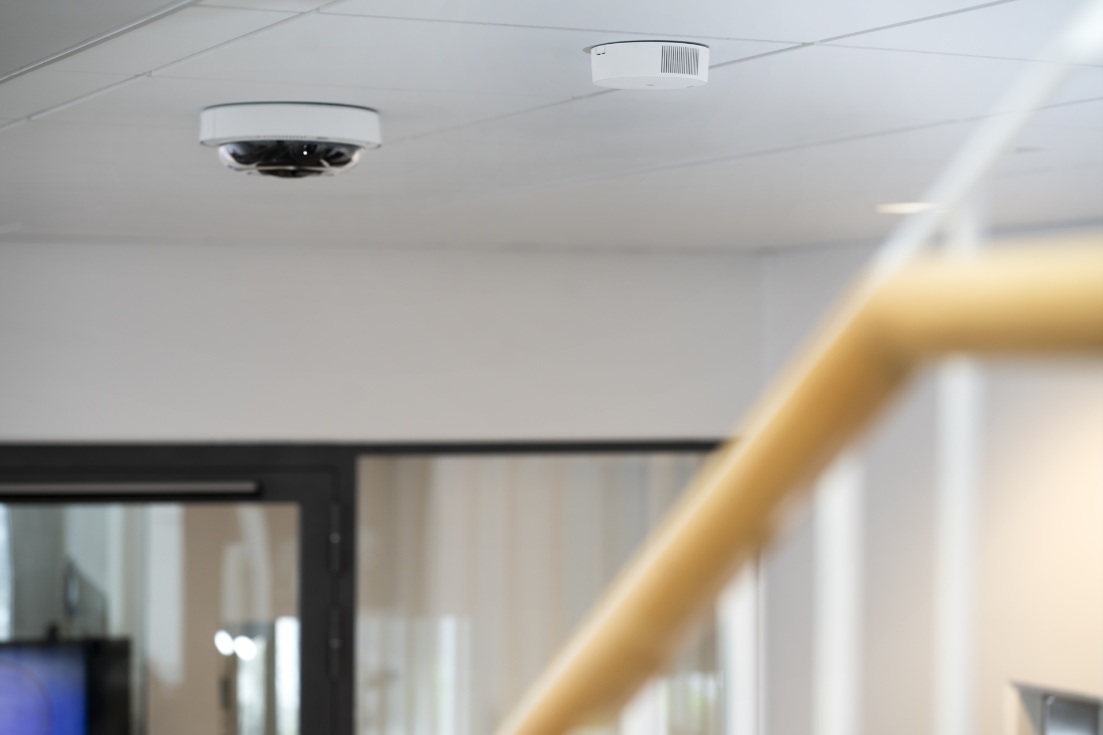
Procurement decisions for school security systems in New York often involve multiple stakeholders, competitive bids, and state contract vehicles like the OGS contract. The camera brand and resolution specs listed in a proposal are rarely the most important variables. The questions that produce better outcomes tend to focus on implementation and long-term support rather than hardware specifications alone.
Key questions worth asking any vendor:
- What network infrastructure changes are required to support this camera count and resolution at full frame rate?
- How is the VMS licensed, and what are the ongoing costs for additional cameras or storage?
- What analytics are included versus requiring additional licensing or third-party software?
- How does the system integrate with the existing access control platform and alarm infrastructure already in place?
- What does remote monitoring and health diagnostics look like after installation?
- If a camera fails, what is the process for replacement and how quickly can coverage be restored?
Districts that skip these questions during evaluation often discover the real costs and limitations of a system after the contract is signed. A consultative approach to security design means these conversations happen before hardware is selected, not after.
FAQ
What is the difference between cameras and analog cameras for school perimeter security?
cameras transmit data digitally over a network and can be managed remotely through a Video Management System. Analog cameras require dedicated cabling and local recording hardware. systems support higher resolution, video analytics, and integration with access control and lockdown platforms, which makes them more capable for modern school security environments.
Can video analytics replace security staff for perimeter monitoring?
No. Video analytics reduce the burden on staff by generating targeted alerts rather than requiring continuous manual monitoring of live feeds. They improve detection speed and consistency, but human judgment remains necessary for evaluating alerts, coordinating response, and making decisions during an incident. Analytics are a tool that supports staff, not a replacement for them.
How many cameras are typically needed for full perimeter coverage of a K-12 school?
Camera count depends on the physical layout of the facility, the number of entry points, the size of athletic and parking areas, and the resolution and field of view of the cameras selected. There is no standard number. A proper security site survey will map coverage zones and identify gaps before any hardware count is established.
Do camera systems work with existing school security infrastructure?
In most cases, yes. Modern camera systems and VMS platforms are designed to integrate with access control, alarm, and lockdown systems. However, compatibility depends on the specific platforms involved. Schools with legacy systems should request a detailed integration assessment before committing to new camera hardware.
What role does network infrastructure play in camera performance?
Network infrastructure is a critical factor. cameras require sufficient bandwidth, appropriate switch capacity, and proper network segmentation to deliver reliable high-definition footage. Schools that upgrade cameras without assessing their existing network often experience performance issues. A network readiness review should be part of any perimeter camera deployment plan.
Conclusion
The move from passive recording to active, analytics-driven perimeter security represents a meaningful shift in how K-12 schools protect students and staff before a threat reaches the building. camera networks, when properly deployed and integrated with VMS platforms, access control, and lockdown systems, give administrators real-time awareness and faster response capability across every zone of a campus.
For school districts across Long Island, New York City, Westchester, and Rockland County, getting this right requires more than selecting the right camera model. It requires a security partner who understands the physical environment, the technology ecosystem, and the regulatory expectations that apply to New York schools.
Digital Provisions has been designing and deploying integrated school security systems across the region since 2000. From perimeter camera networks to full video surveillance infrastructure and lockdown integration, the team brings the depth of experience needed to build systems that perform when it matters most.
Get in touch with us on our website to schedule a free on-site security evaluation.