

Warehouse Commercial Alarm Systems in Long Island NY
October 16, 2026
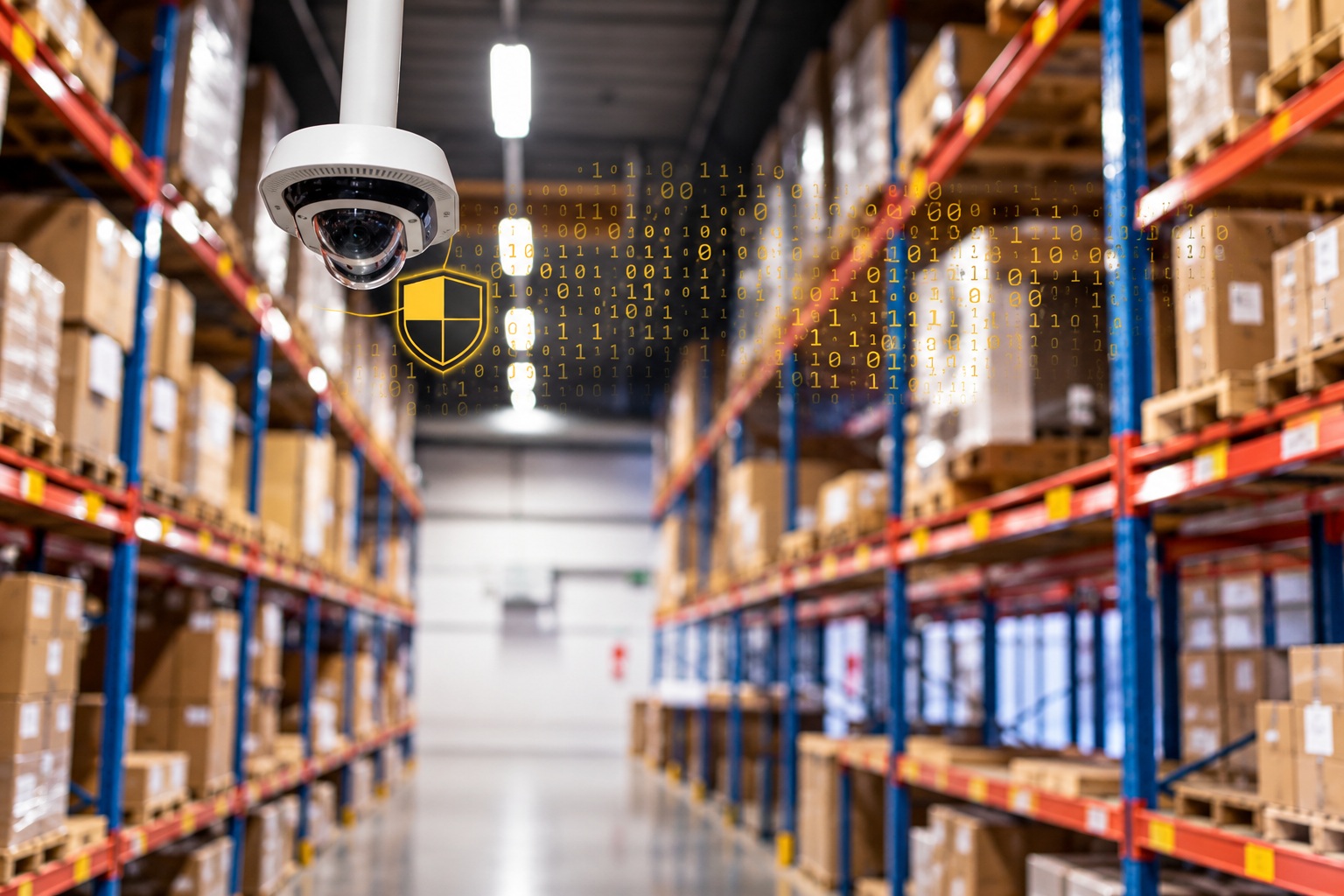
Securing high-throughput logistics hubs, freight distribution centers, and industrial yards requires protection far beyond standard burglar alarms. For supply chain managers and facility directors, deploying unified commercial alarm systems in Long Island NY ensures that active loading docks, open freight yards, and high-value storage areas stay fully protected against cargo theft, unauthorized access, and operational disruption.
Across the industrial corridors of Nassau and Suffolk counties, from the Hauppauge Industrial Park and Route 110 corridor to freight staging zones near Ronkonkoma, facility managers face mounting pressure as fourth-quarter distribution volumes surge. When an intrusion occurs at an unmonitored fence line or a loading dock door is propped open after hours, standalone sensors fail to give teams the immediate context they need. Integrating electronic intrusion detection with perimeter cameras, badge credentials, and environmental sensors builds a unified defense that stops losses before shipments leave the yard.
Key Takeaways (TL;DR)
-
- Unified Detection Over Standalone Sensors: Integrating intrusion alarms with video-verified surveillance and electronic gate access eliminates blind spots across vast freight bays and staging yards.
-
- Dock & Perimeter Vulnerability Control: Intelligent anti-tailgating credentials, automated dock door contact sensors, and thermal boundary analytics prevent unauthorized driver entry and cargo diversion.
-
- Local Code Compliance & Quick Dispatch: Modern industrial systems meet strict New York regional fire and intrusion monitoring standards, accelerating emergency verification and police dispatch.
Key Questions Answered: How do modern industrial alarm systems protect logistics facilities? By linking door contacts, motion detectors, perimeter beam sensors, and surveillance cameras into an integrated platform that verifies alarms instantly and alerts law enforcement without false-alarm delays.
The Rise of Logistics Hub Security Risks Across New York
Industrial warehousing and regional freight hubs have transformed rapidly across New York and Long Island. As e-commerce velocity accelerates and fulfillment hubs process higher volumes of consumer electronics, pharmaceuticals, and sensitive consumer goods, industrial facilities have become prime targets for organized cargo theft networks.
Traditional warehouse security models relied heavily on disconnected padlocks, basic door buzzers, and isolated CCTV recording units. When an event occurred, security personnel often spent hours sifting through static recordings after stolen assets had already left the property. Guidelines from the CISA Physical Security Guidance emphasize that modern critical infrastructure and commercial supply chains require layered, real-time threat detection rather than passive forensic documentation.
On Long Island, logistics facilities often combine indoor racked storage with expansive outdoor trailer yards. This hybrid footprint introduces unique physical security challenges. Delivery drivers arrive around the clock, third-party logistics contractors cycle through seasonal shifts, and exterior yard perimeters remain exposed to nighttime trespass. Securing these environments demands an active security infrastructure that manages human access while monitoring physical perimeters 24/7.
Core Vulnerability Zones in Industrial and Logistics Facilities
Protecting a commercial warehouse requires identifying where assets, personnel, and vehicles intersect. A breakdown at any single control point can compromise the entire facility.
1. Loading Docks and Overhead Bay Doors
Loading bays represent the highest-risk transition zone in any distribution facility. With constant movement of tractor-trailers, pallet jacks, and third-party freight drivers, overhead doors frequently remain open for extended periods. Without automated contact sensors and video integration, unauthorized personnel can slip onto the dock unnoticed or move high-value cartons into staging trucks without scanning.
2. Exterior Trailer Yards and Fleet Staging Areas
Drop yards and tractor parking areas house millions of dollars in stored merchandise on any given evening. Traditional fencing and standard floodlights are insufficient against determined intruders who cut fences in unlit corners. Adding long-range infrared perimeter beams and intelligent thermal cameras creates a virtual tripwire that triggers immediate alarms when an exterior boundary is breached.
3. High-Value Secure Storage Cages
Certain product categories, including prescription medications, high-end electronics, and bonded freight, require internal sub-perimeters within the larger warehouse. Dual-custody credentialing, biometric verification, and motion-activated surveillance ensure that only authorized supervisors access these secure cages, maintaining an indisputable digital audit trail.
4. Staging Offices and Employee Entry Vestibules
Administrative lobbies and driver check-in windows serve as the initial screening barrier between the public street and the operational warehouse floor. Unrestricted doors permit tailgating and allow unvetted visitors to wander into high-risk industrial zones where forklifts and machinery operate.
Industrial Security in Practice: How Integrated Systems Work Together
True operational resilience occurs when your security layers communicate with one another in real time. Digital Provisions specializes in designing unified systems where commercial alarms, access permissions, and video feeds operate as a cohesive defense network.
When you integrate commercial alarm systems with intelligent video and access infrastructure, detection triggers coordinated responses across the entire building:
-
- Instant Video Verification: When a magnetic door contact on an emergency exit trips or a perimeter line is crossed after hours, the system immediately pulls up the corresponding camera feed, allowing central station operators to verify the intrusion visually and dispatch local Nassau or Suffolk County law enforcement with priority.
-
- Automated Access Adjustments: If a fire alarm initiates via integrated commercial fire alarm systems, doors unlock automatically in accordance with NFPA life safety codes to permit safe personnel evacuation while alerting first responders.
-
- Synchronized Mass Notification: During severe weather emergencies, chemical spills, or active intrusion threats, facility supervisors can broadcast clear evacuation or shelter instructions across noisy warehouse floors using networked public announcement and mass notification systems.
Driver and Vendor Tracking: Commercial access control systems restrict delivery drivers to designated staging lounges, preventing unescorted access to warehouse aisles.
System Comparison: Standalone Alarms vs. Unified Industrial Platforms
Understanding the operational differences between basic security equipment and unified enterprise platforms is essential when planning facility investments.
| Security Dimension | Basic Standalone Alarm Setup | Integrated Commercial Security Platform |
|---|---|---|
| Alarm Verification | Audio siren only; unverified signal prone to false alarms and delayed police dispatch. | Immediate video-verified alerts sent to monitoring centers with live camera snapshots. |
| Perimeter Coverage | Limited to physical locks and basic building motion sensors. | Thermal fence-line cameras, radar tracking, and optical tripwires covering entire yards. |
| Credential Control | Physical brass keys that can be lost, copied, or unreturned by former staff. | Encrypted RFID badges and mobile credentials with instant deactivation and audit logs. |
| Surveillance Integration | Separate CCTV DVR requiring manual time-matching after an incident. | Direct event bookmarking linking badge swipes and alarm trips directly to video clips. |
| Emergency Response | Manual phone calls and disjointed emergency procedures. | One-touch facility lockdown, automated emergency PA announcements, and direct central station notification. |
Common Industrial Security Mistakes to Avoid
Even well-intentioned security plans can leave critical gaps when installed without commercial-grade engineering. Avoid these common operational pitfalls:
1. Over-Relying on Unmonitored Surveillance
Cameras that merely record footage to a local drive offer zero deterrence during an active burglary. Pairing high-resolution video surveillance systems with perimeter analytics and 24/7 central station monitoring ensures that security personnel intervene while an intruder is still at the perimeter fence.
2. Neglecting Door Ajar and Door Prop Monitoring
Warehouse employees frequently prop open dock side doors or rear fire exits for airflow or quick smoke breaks. If these doors lack integrated prop sensors with audible chimes and automated manager alerts, your security perimeter remains completely compromised throughout the workday.
3. Using Outdated, Cloneable Access Cards
Standard 125 kHz proximity cards are easily cloned using inexpensive handheld tools purchased online. Upgrading to encrypted smart cards or mobile Bluetooth credentials stops credential cloning and protects restricted warehouse zones.
4. Failing to Secure Environmental and Mechanical Systems
Security is not just about human intruders. Cold winter snaps on Long Island can freeze sprinkler pipes, while roof leaks can ruin hundreds of thousands of dollars in stored inventory. Integrating environmental sensors, such as low-temperature monitors and water leak detectors, into your commercial alarm system provides early warnings before physical disaster strikes.
Tailored Solutions for Long Island Industrial & Transportation Hubs
Every commercial facility operates with distinct logistics flows, staffing schedules, and physical constraints. Digital Provisions engineers customized security architectures for specialized commercial spaces:
-
- Distribution & E-Commerce Fulfillment Centers: Complete dock bay monitoring, anti-tailgating turnstiles at shift entrances, high-rack aisle surveillance, and secure parcel return cages designed specifically for industrial, logistics, and data facilities.
-
- Fleet Yards & Transit Depots: Long-range automated gate operators, license plate recognition (LPR) cameras, and active perimeter tripwires tailored for transportation and fleet hubs.
-
- Cold Storage & Food Distribution: Specialized low-temperature door contacts, moisture-resistant camera housings, and 24/7 temperature alarm integrations.
-
- Cross-Dock Terminals: High-speed optical sensors and multi-sensor panoramic cameras that maintain continuous visual tracking across fast-moving loading bays.
Why Long Island Logistics Leaders Partner With Digital Provisions
Since 2000, Digital Provisions has served as the premier commercial security systems integrator for organizations throughout Long Island, New York City, and the greater Tri-State area. Headquartered in Ronkonkoma, NY, our team understands the unique security, building code, and operational challenges facing local warehouse operators.
Rather than pushing rigid proprietary equipment, we design scalable, non-proprietary security platforms that adapt to your exact daily workflows. We integrate state-of-the-art camera networks, card access, and commercial alarm hardware with your existing network infrastructure, minimizing disruption and eliminating unnecessary hardware replacement costs. When maintenance or repairs are required, our local technicians provide rapid response, remote support diagnostics, and loaner equipment to keep your property protected around the clock.
Frequently Asked Questions
How do commercial alarm systems differ from residential alarms in a warehouse?
Commercial alarm systems utilize multi-partition control panels, heavy-duty armored conduit wiring, long-range beam sensors, and integrated video verification engineered for large physical footprints. They meet commercial building codes, support complex multi-shift user permissions, and connect directly to commercial central station dispatch centers.
What is video-verified alarm monitoring, and why is it important for logistics sites?
Video verification links alarm sensors directly to live camera feeds, allowing monitoring operators to visually confirm an intrusion before notifying police. This eliminates false alarm fees and ensures that local law enforcement treats the alert as a verified crime in progress, leading to significantly faster emergency response times.
Can our access control system restrict third-party truck drivers to the loading dock?
Yes. Commercial access control setups can isolate loading docks and driver waiting areas from the main inventory floor. External drivers can be granted temporary digital passes or restricted to designated intercom-monitored entrance vestibules, keeping unauthorized personnel out of sensitive warehouse aisles.
How quickly can a new alarm or camera system be installed in an active warehouse?
Professional installation timelines depend on facility square footage and cabling requirements, but experienced integrators plan phased rollouts around your active shift schedules. Installation teams run conduit and mount devices during planned maintenance windows or off-peak hours to avoid interrupting daily freight handling.
Strengthen Your Warehouse and Freight Yard Defenses
Protecting your supply chain requires a proactive security partner who understands the complexities of industrial distribution. Digital Provisions provides end-to-end security design, professional low-voltage installation, and dedicated local support across Long Island and the greater New York region.
Ready to identify vulnerabilities across your loading bays, yard perimeters, and storage zones? Contact our team today to schedule a free on-site security audit or call our Ronkonkoma headquarters directly at 631-209-2600.