Campus Public Announcement Systems in Long Island, NY
November 9, 2026
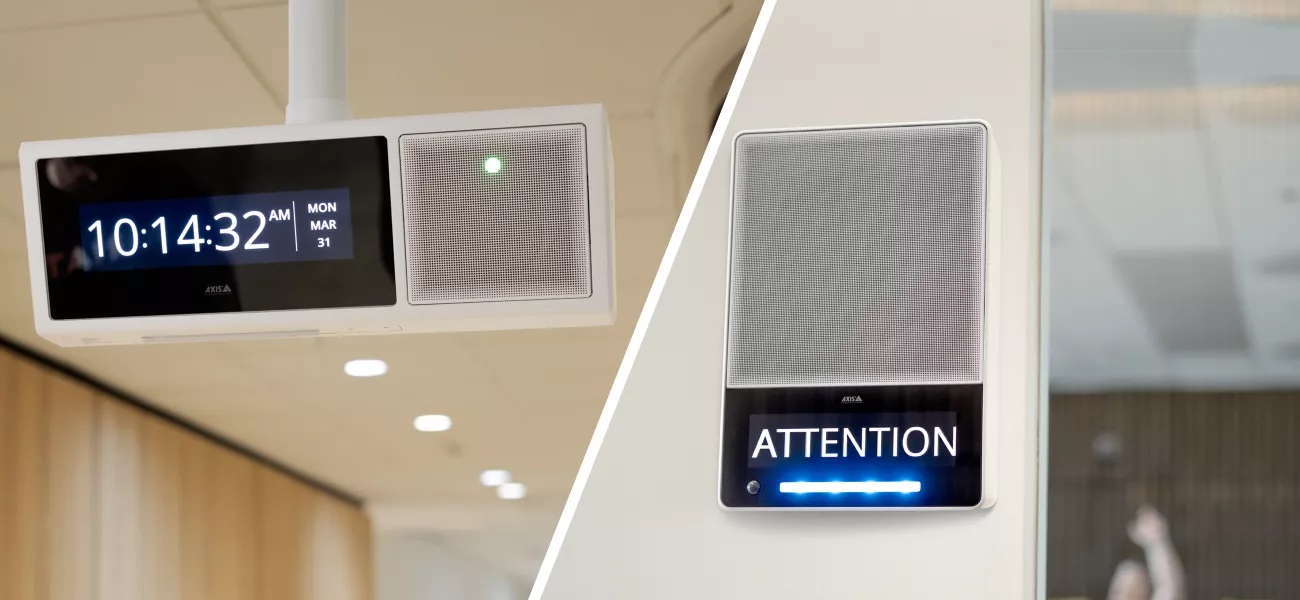
When an emergency unfolds across a multi-building school district, hospital complex, or municipal center, clear voice instruction is the most direct tool safety leaders have to protect occupants. Installing modern, IP-based campus public announcement systems in Long Island, NY ensures that critical instructions cut through ambient noise and reach every classroom, corridor, athletic field, and parking structure without delay.
Across Nassau and Suffolk counties, educational administrators and facilities managers oversee expansive physical footprints that combine older historic wings with modern construction. Analog horn speakers, legacy 70-volt wiring, and disconnected intercom boxes often create dangerous acoustic dead zones where announcements sound muffled or fail entirely. Transitioning to networked IP public address platforms unifies daily bell schedules, multi-zone paging, and automated emergency broadcasting into a dependable, centralized communication network.
Key Takeaways (TL;DR)
-
- Targeted Voice Intelligibility: Networked IP speakers provide crystal-clear acoustic clarity and zoned volume control across noisy gymnasiums, cafeterias, and outdoor athletic facilities.
-
- Automated Emergency Activation: Integrating public address with one-button lockdown and fire alarm panels broadcasts instant, pre-recorded action plans during active threats or weather crises.
-
- Infrastructure Modernization: Hybrid IP gateways allow Long Island facilities to upgrade systematically, leveraging existing functional speaker cabling while adopting centralized digital software control.
Key Questions Answered: What distinguishes an IP-based campus public announcement system from legacy paging? IP audio devices reside directly on your local area network (LAN), enabling centralized software scheduling, zoned room-by-room routing, automatic health monitoring, and instant synchronization with emergency lockdown protocols.
The Evolution of Voice Notification in Educational and Municipal Facilities
Voice communication technology across commercial and public campuses has evolved significantly over the past two decades. Early public address systems relied entirely on analog 70-volt amplifiers connected to unshielded copper lines. While adequate for morning administrative announcements and simple class-change tones, these older systems lacked zone flexibility, audio supervision, and the capacity to coordinate with digital safety infrastructure.
Following updated national safety directives from the CISA Physical Security Division and standards established under NFPA 72 National Fire Alarm and Signaling Code Chapter 24, emergency notification now mandates intelligible voice clarity. High-stress incidents require spoken, actionable directives rather than ambiguous alarm tones that can cause confusion among building occupants.
Throughout New York, facilities teams are phasing out isolated intercom head-ends in favor of IP-native audio endpoints. Powered by PoE+ or PoE++ (Power over Ethernet), modern IP speakers, visual display horns, and digital microphone consoles provide instant status reporting, ensuring every device on campus remains fully operational when seconds count.
Campus Public Announcement Systems in Practice: Key Operational Layers
A comprehensive public address deployment serves two equal priorities: smooth daily campus operations and rapid emergency crisis communication. Structuring your audio network into functional zones ensures that normal broadcasts reach only intended areas while emergency messages override all local controls.
Modern campus notification architecture operates across four distinct functional tiers:
-
- Administrative Audio Scheduling: Automated tone management synchronizes class changes, shift rotations, and opening announcements across disparate buildings via precise Network Time Protocol (NTP) servers.
-
- Selective Zoned Paging: Operators can broadcast live or pre-recorded voice pages to individual classrooms, single wings, administrative offices, or entire exterior zones without interrupting unaffected areas.
-
- High-Priority Emergency Overrides: When safety triggers engage, emergency voice alerts automatically preempt routine paging, muting background music or classroom audio to deliver life-safety instructions at full volume.
-
- Visual and Strobe Reinforcement: High-noise zones such as mechanical plants, cafeterias, and auto shops pair synchronized visual LED text scrolls and multi-color strobe lights with audio broadcasts to assist hearing-impaired occupants and ensure complete message delivery.
Core Coverage Zones Across Long Island Campus Properties
Achieving total situational awareness across a complex property requires analyzing ambient decibel levels and structural acoustics in every distinct zone.
1. High-Density Interior Common Areas
Cafeterias, auditoriums, and gymnasiums present significant acoustic challenges due to high ceilings and reflective cinderblock or glass surfaces. Installing wide-dispersion line array speakers and ambient-noise sensing microphones ensures the system automatically adjusts output volume to maintain intelligible speech above crowd noise.
2. K-12 Classrooms and Lecture Halls
In schools and universities, instructional spaces require bidirectional communication. Two-way IP intercom stations allow teachers to respond to administrative calls hands-free or initiate an instant duress alert directly to the main office.
3. Outdoor Athletics, Playgrounds, and Bus Loops
Exterior spaces represent common communication blind spots. Weatherproof, long-throw IP horn speakers mounted on building exteriors and light poles ensure clear audio reach across athletic fields, bus staging bays, and student drop-off zones during dismissals or sudden weather lockdowns.
4. Municipal Buildings and Transit Hubs
For government and municipal facilities and regional transportation centers, zoned public address provides passengers and civic visitors with clear service updates and public safety advisories across waiting rooms, rail platforms, and council chambers.
Integration: Linking Public Announcement with Campus Life Safety
The true strength of a modern security infrastructure lies in how effectively its separate components communicate. Digital Provisions specializes in designing unified low-voltage platforms where audio, surveillance, and access systems function as an interconnected ecosystem.
Integrating your audio network with broader building systems delivers a coordinated defense:
-
- Automated Emergency Messaging: Connecting audio controllers with public announcement and mass notification systems triggers instant, location-specific evacuation or shelter-in-place voice instructions during critical incidents.
-
- Coordinated Door Lockdowns: When a security team initiates a perimeter secure mode via one-button lockdown systems, the public address network immediately broadcasts pre-recorded audio directions across interior and exterior zones.
-
- Live Video Verification: Activating a panic switch or manual paging station prompts video surveillance systems to project camera views of the announcing location onto central security monitors.
-
- Emergency Central Monitoring: Linking audio alerts directly into commercial alarm systems guarantees that central dispatch operators receive immediate confirmation of emergency activations.
-
- Perimeter Access Control: Coordinating with enterprise access control systems ensures that exterior doors remain securely latched while the PA system directs first responders to designated entrance portals.
System Comparison: Legacy Analog Paging vs. Enterprise IP Audio Systems
Evaluating the operational capabilities of traditional horn wiring against modern networked audio hardware highlights why New York institutions are upgrading their infrastructure.
| System Feature | Legacy Analog 70V Paging | Enterprise IP Networked PA System |
|---|---|---|
| Cabling & Power | Dedicated home-run 18-gauge copper pairs to central amplifier racks. | Standard Category 6 network cabling powered via Power over Ethernet (PoE+/PoE++). |
| Zoning Flexibility | Hardwired physical switches; re-zoning requires pulling new physical wire. | Dynamic software zoning; assign any endpoint to unlimited custom groups instantly. |
| Device Health Monitoring | None; broken speakers or cut cables go unnoticed until an announcement fails. | Continuous automated network pinging; instant email/dashboard alerts on device disconnect. |
| Audio Clarity & Control | Fixed analog output prone to line loss, static, and background hiss over distance. | High-definition digital audio with dynamic equalization and auto-ambient volume compensation. |
| Security Integration | Isolated standalone operation; manual microphone paging only. | Full API and relay integration with lockdown, fire alarms, video VMS, and mobile alert apps. |
Common Campus Audio Mistakes to Avoid
Deploying commercial-grade audio systems requires sound engineering principles. Avoiding common layout mistakes protects both your budget and facility safety:
1. Designing for Volume Instead of Intelligibility
Loud sound is not the same as clear sound. Cranking up amplifier power on poorly positioned speakers creates severe echoes and reverberation in large spaces. Installing a greater number of lower-wattage speakers distributed evenly across the ceiling ensures clean, understandable speech at comfortable sound levels.
2. Overlooking Multi-Campus Network Bandwidth
Streaming high-definition audio across municipal networks requires careful Quality of Service (QoS) planning. Professional integrators configure dedicated virtual local area networks (VLANs) to prioritize audio packets, preventing stutter or buffering during high network traffic.
3. Ignoring Ambient Noise Fluctuations
A hallway speaker set to a standard volume will sound deafening during quiet study periods and completely inaudible during crowded class dismissals. Ambient-noise sensing endpoints dynamically adjust broadcast volume in real time based on surrounding room conditions.
4. Failing to Establish Backup Power Infrastructure
During severe regional storms or utility disruptions on Long Island, emergency communication must stay online. Connecting IP audio network switches to uninterruptible power supply (UPS) battery systems and facility backup generators guarantees continuous operation during power outages.
Tailored Solutions for Long Island and New York Facilities
Every commercial property presents unique acoustic profiles, occupancy patterns, and administrative workflows. Digital Provisions builds customized public announcement architectures designed for specific facility requirements:
-
- K-12 School Districts: Blending classroom intercoms, automated bell schedules, and high-output outdoor horn arrays for athletic complexes and bus loops across Nassau and Suffolk counties.
-
- Colleges & University Campuses: Multi-building fiber optic audio backbones connecting dormitories, lecture halls, dining commons, and campus security dispatch centers.
-
- Hospital & Healthcare Networks: Low-decibel soothing paging zones in patient recovery wings combined with high-priority emergency code broadcasting in surgical and trauma centers for hospitals, clinics, and critical care facilities.
-
- Commercial Distribution & Industrial Centers: High-decibel explosion-proof and weatherproof horn networks providing emergency evacuation notifications across high-noise warehouse bays and outdoor freight staging yards for industrial and logistics facilities.
Why Long Island Organizations Partner with Digital Provisions
Since 2000, Digital Provisions has served as the premier commercial security systems integrator for educational institutions, government bodies, and commercial enterprises throughout Long Island, New York City, and the greater Tri-State area. Headquartered in Ronkonkoma, NY, our certified low-voltage technicians engineer dependable communication networks that meet rigorous regional building and fire safety codes.
We believe in practical, open-architecture technology that integrates smoothly with your existing IT infrastructure and physical security assets. Our team manages every phase of deployment—from comprehensive acoustic site surveys and custom system engineering to clean cable installation, software configuration, and staff training. When maintenance needs arise, our dedicated local technicians deliver prompt on-site service, remote system support, and loaner hardware to maintain total system uptime.
Frequently Asked Questions
Can we upgrade to an IP public address system without replacing all our existing ceiling speakers?
Yes. Commercial security integrators can deploy hybrid IP audio gateways that connect existing analog speaker circuits to a modern digital control platform. This allows institutions to migrate to centralized software control immediately while upgrading physical speakers in phases as budgets allow.
How does an IP public address system integrate with school lockdown procedures?
When an authorized administrator triggers an emergency lockdown via a physical button, software dashboard, or mobile app, the system instantly overrides all routine broadcasts. It plays pre-recorded voice instructions, triggers synchronized strobe lights, locks access-controlled exterior doors, and alerts emergency monitoring teams.
What network requirements are needed to support IP audio speakers across a campus?
Modern IP speakers utilize standard Category 6 Ethernet cables and draw power via PoE+ or PoE++ network switches. These systems usually need multiple PoE+ ports, so switch port counts and power budgets should be sized for every speaker, display, and microphone on the network. Professional integrators establish a dedicated voice/security VLAN with Quality of Service (QoS) protocols to ensure audio traffic never encounters latency or packet loss.
Can emergency announcements be scheduled or initiated remotely?
Yes. Centralized management software allows administrators to broadcast live or pre-recorded messages from desktop workstations, dedicated VoIP desk phones, or secure mobile applications, whether they are on campus or managing an off-site situation.
Upgrade Your Campus Voice Communication and Life Safety
Delivering fast, intelligible information during daily routines and unexpected crises is essential for keeping students, staff, and visitors safe. Digital Provisions brings proven low-voltage engineering, precision audio design, and dedicated local support to facilities across Long Island and the greater New York area.
Ready to assess your facility’s acoustic coverage and communication readiness? Contact our engineering team today to schedule a free on-site security audit or call our Ronkonkoma headquarters directly at 631-209-2600.