
Video Surveillance Strategies for High‑Risk Healthcare Areas (ICUs, ERs and Behavioral Health Units)
January 2, 2026
Key takeaways
- Video surveillance supports staff awareness, response and safety in ICUs, ERs and behavioral health units while remaining unobtrusive to clinical workflows and patient care.
- Proper camera placement and privacy‑focused design reinforce security while preserving patient dignity and meeting regulatory requirements.
- Integrating video with access control, alerts, building automation and analytics improves coordination, incident response, and long‑term safety planning.
Security requirements change quickly inside healthcare facilities, especially in clinical areas where conditions are dynamic and staff operate under significant time pressure. Intensive Care Units (ICUs), Emergency Rooms (ERs) and behavioral health units face unique challenges every day. These environments involve urgent care needs, rapidly changing conditions, and emotionally complex situations. Strong video surveillance plays a key role in helping staff respond quickly, support patient safety, and support a secure and well-coordinated clinical setting.
Below is a research‑supported look at how surveillance supports these high‑risk areas. We also highlight how open‑platform video management systems (VMS) like Milestone and Genetec, building management systems (BMS), and analytic tools such as ZeroEyes can enhance hospital security without compromising privacy.
Building strong surveillance for ICUs
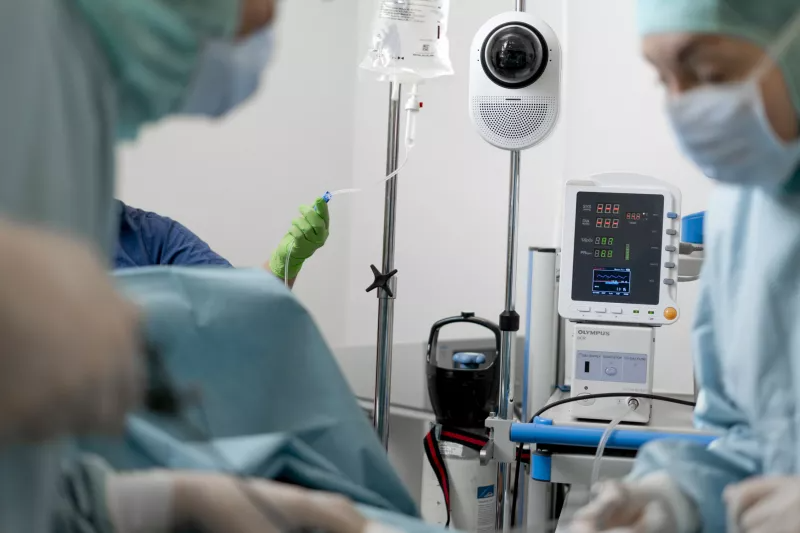
ICUs care for patients requiring constant clinical observation. Video complements clinical monitors by providing situational awareness about movement, visitor traffic, and activities around patient rooms. Hospitals must position cameras thoughtfully to avoid filming protected health information (PHI); guidelines recommend focusing on entrances and hallways rather than beds or treatment areas. Cameras should never capture computer screens or medical charts, and any footage containing patient identifiers becomes PHI subject to the same safeguards as medical records.
Supporting staff safety and response. Healthcare workers face higher rates of workplace violence than most professions. From 2016–2020 there were 207 deaths from violence in the health‑care and social‑assistance sector, and the rate of physical assaults among nurses was 13.2 per 100 nurses per year in physical altercations and 38.8 per 100 nurses experiencing non-physical altercations. Situational awareness provided by video feeds helps staff respond to sudden activity, unauthorized access, or emergencies without leaving a patient’s bedside. Coupling video with staff duress buttons ensures that an alert automatically pulls nearby camera views, allowing security teams to see where the incident is occurring and allows them to efficiently assist.
Protecting patient dignity. Privacy rules require hospitals to minimize collection of patient identifiers. Cameras should not be placed inside rooms where patients expect privacy, including intensive care beds and recovery spaces. Surveillance in mental health settings must never replace direct therapeutic observation and should only be used for legitimate safety purposes. Policies should require deletion of footage once it is no longer needed and audit trails documenting who accessed video.
Strengthening surveillance in Emergency Rooms
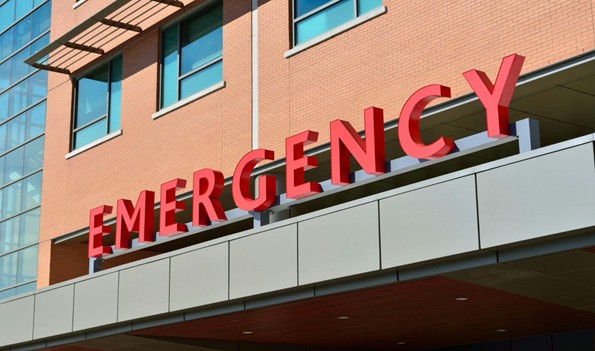
Emergency departments operate 24/7 with steady foot traffic and emotionally charged situations. The American Hospital Association notes that violence and threatening behavior have increased significantly in U.S. hospitals in recent years. Cameras at ER entrances and ambulance bays help staff track visitor flow, prevent elopement, and respond quickly to incidents. Waiting rooms benefit from live video monitoring, allowing staff to recognize when tensions rise and to de‑escalate situations.
Treatment bays must remain private, but coverage of adjacent hallways helps security teams follow events that move quickly between rooms. Guidelines emphasize monitoring high‑priority areas; emergency departments, entrances/exits, pharmacies, nurse stations and parking lots, while avoiding PHI‑sensitive spaces. Video footage also provides a valuable record for incident review and operational improvement.
Safe surveillance for behavioral health units
Behavioral health units require a balance between safety and calm, therapeutic environments. Government guidance stresses that individuals in mental health services have a reasonable expectation of privacy, and that surveillance must be necessary, proportionate, and limited to legitimate safety purposes. Staff must inform patients about surveillance and ensure it never replaces clinical observation. Cameras should cover stairways, lobbies, corridors and entry points but not therapy rooms or bathrooms. Hardware should be tamper‑resistant to prevent vandalism or self‑harm.
Live video helps clinicians recognize behavioral changes early and coordinate responses with security. In high‑risk units, surveillance paired with duress alarms or tamper detection ensures that when an incident occurs, staff receive immediate visual context and can intervene safely.
Integrating systems for better coordination
Modern healthcare security goes beyond deploying more cameras. Integrated systems provide a unified view across video, access control, infant protection, duress alarms and analytics. Security Magazine notes that open‑platform video management software acts as the “central hub” connecting disparate security technologies so hospitals can prevent infant abductions, track wandering patients, manage emergencies and maintain compliance. When duress alerts are integrated, the system automatically displays relevant video and facility maps, helping security teams locate incidents and remotely lock or open doors if necessary.
Open‑platform VMS – Milestone and Genetec. Milestone Systems and Genetec are leading providers of open‑platform video management systems that integrate video surveillance with access control, analytics and third‑party safety applications. While we avoid competitor‑specific claims, Security Magazine highlights how open‑platform VMS enables hospitals to break down silos between disparate security systems, establish granular permissions and maintain detailed audit logs for compliance. Such systems allow a nurse to view cameras near their unit while security supervisors manage facility‑wide operations, and they support integration with infant protection and wandering‑patient tracking systems.
Building management systems (BMS). Hospital infrastructure is increasingly managed by intelligent BMS that orchestrate heating, ventilation, life safety and energy systems. HealthTech Magazine explains that smart hospitals powered by BMS create safer, more efficient environments by integrating HVAC, energy management and life‑safety systems. These platforms connect disparate systems, ventilation, fire safety, security and even clinical equipment, into a unified framework. Integrating video surveillance with BMS allows security teams to correlate environmental data (e.g., door status, air‑quality alerts) with visual context, enhancing situational awareness and facility management.
AI gun detection – ZeroEyes. Hospitals are increasingly concerned about active‑shooter threats. UMC Health System in Texas recently deployed ZeroEyes’ HIPAA‑compliant AI gun‑detection software on its existing cameras. The system uses AI to scan video feeds for weapons and alerts trained operators within seconds, providing an image of the weapon and last known location. This technology has been added to a layered security strategy that includes armed security officers, panic buttons, and scanners. Such solutions illustrate how AI analytics can enhance traditional video surveillance by providing early warning of firearm threats without constant human monitoring.
Planning a long‑term surveillance approach
High‑risk areas require systems that can evolve with the hospital. Security Magazine underscores the value of scalable, open systems that integrate legacy equipment and support hybrid deployments combining on‑premises and cloud infrastructure. Building management platforms provide a foundation for smart hospitals, enabling real‑time adjustments to air quality, energy use and life‑safety systems. When video surveillance, access control, BMS and analytics operate together, hospitals gain comprehensive visibility and can adapt to new threats or regulatory requirements.
Conclusion
Hospitals, clinics, and behavioral health units face complex security challenges. Violence against healthcare workers remains a pressing concern while maintaining patient privacy. Thoughtful video surveillance – combined with access control, intelligent analytics, building automation and open‑platform VMS, empowers staff to respond quickly, which helps protect patients and supports long‑term operational resilience. Examples from the industry show how open‑platform solutions from Milestone and Genetec, BMS integration and AI gun‑detection tools like ZeroEyes can make hospital environments safer without sacrificing dignity or care quality.
Hospital leaders should work with experienced security partners who understand clinical workflows and regulatory requirements to design systems that are effective today and adaptable for tomorrow. By investing in integrated, privacy‑respectful surveillance, healthcare organizations can create environments that support healing, protect staff and build trust with patients. If you’re exploring how to strengthen your facility’s security while respecting patient privacy, the experts at Digital Provisions can help tailor an integrated solution for your needs.